Quick Answer: What a Free Commercial Roof Inspection Includes
A Lake Station Commercial Roofing free assessment in Lake Station is a visual, non destructive evaluation of your roof system, drainage, penetrations, flashings, and visible interior signs of water intrusion. You receive a written report with photos, a condition rating, and prioritized recommendations. There is no charge and no obligation.
- Full roof field walk with photo documentation
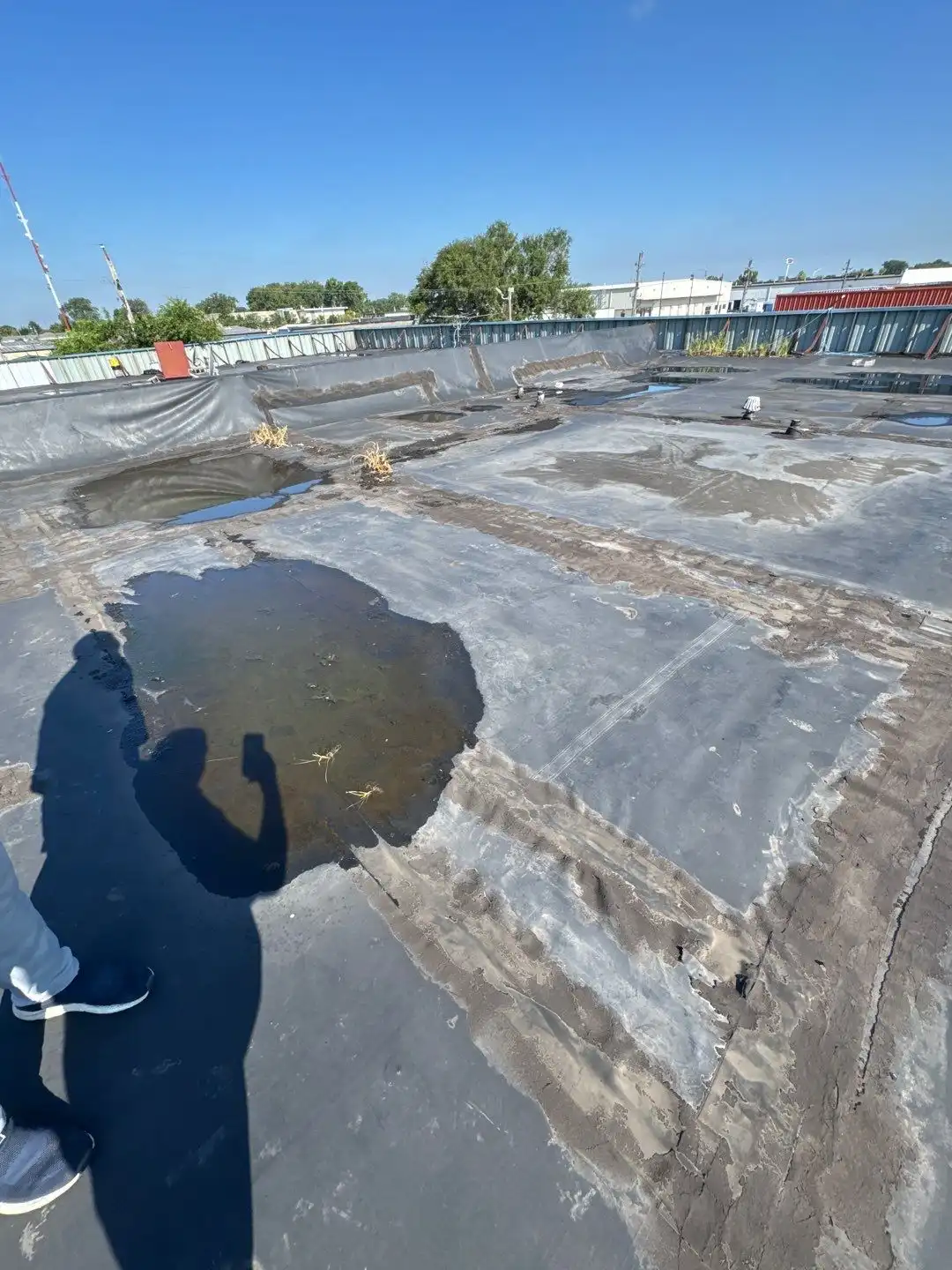
- Drainage and ponding water review
- Flashing, curb, and penetration check
- Membrane seam and surface condition rating
- Interior ceiling and deck staining review (where accessible)
- Written report with priority levels and budget ranges
Inspection Scope by Roof System
Not every roof gets the same treatment. The inspection focus shifts based on what is up there.
| System | Primary Focus Areas | Common Failure Points |
|---|---|---|
| TPO / PVC | Seams, T-joints, perimeter | Seam separation, punctures |
| EPDM | Seams, flashings, shrinkage | Adhesive failure, corner pull |
| Modified Bitumen | Laps, granule loss, blisters | Open laps, alligatoring |
| Built-Up (BUR) | Surface, flood coat, blisters | Splits, gravel migration |
| Metal | Fasteners, panel seams, sealants | Backed out screws, oil canning |
If you are not sure which system you have, that is fine. The inspector will identify it on site and note its age range based on weathering and product markings. For deeper material comparisons, our guide on TPO vs EPDM vs PVC roof systems walks through the tradeoffs.
Typical Assessment Findings by Roof Age
What the Written Report Contains
You should walk away with documentation you can hand to ownership, insurance, or a future contractor. A useful report includes:
- Property address, inspection date, weather conditions
- Roof area in square feet and approximate age
- Membrane or material type and current condition rating
- Annotated photos of each finding
- Drainage diagram and ponding map
- Penetration count and condition
- Prioritized recommendations with budget ranges
- Estimated remaining service life
- Notes on warranty status (if known)
- Suggested maintenance intervals
If we identify storm damage during the walk, we will flag dates and patterns consistent with hail or wind events. For claim filing steps, our commercial roof insurance claim guide outlines the process from inspection to adjuster meeting.
When to Schedule an Inspection
Common triggers for Lake Station property managers:
- After any hail or high wind event
- Before purchasing or leasing a building
- At lease renewal or tenant turnover
- Annually for any roof over 10 years old
- Before applying a restoration coating
- When budgeting capital expenditures
- After roof mounted equipment is added or replaced
- Following a winter with heavy snow load or ice damming
Seasonal Timing Notes
Spring inspections catch winter freeze thaw damage before summer storms compound it. Fall inspections give you time to address findings before snow load and cold temperatures slow down repair work. In Lake Station, the shoulder seasons tend to produce the most accurate moisture readings because the roof has not been baked by midday heat or covered in frost.
What Happens After the Assessment
- You receive the written report by email
- We review findings with you by phone or in person
- You decide the scope and timing
- If repairs are urgent, we prioritize tarping and dry in to stop active intrusion
- If the roof is sound, we schedule the next inspection cycle
- If replacement is the right call, we put together system options and budget tiers
The goal of a Lake Station Commercial Roofing assessment in Lake Station is not to sell you a roof. It is to give you accurate information so you can make the right call for the building, the budget, and the tenants inside it.
Conditions That Drive Repair Priority
Findings get sorted into three buckets so you know what needs action now versus what can wait for the next budget cycle.
Critical (Address Immediately)
- Active leaks reaching interior space
- Open membrane seams over occupied areas
- Failed flashing at HVAC curbs or parapet caps
- Storm displaced sections
- Exposed insulation from torn membrane
- Detached edge metal or coping at perimeter
Significant (Plan Within 90 Days)
- Ponding water lasting more than 48 hours
- Pitch pocket failures
- Drain bowl deterioration
- Cracked or split coping
- Wrinkled or fishmouthed seams
- Pipe boot cracking with no current leak
Monitor (Document and Re-Check)
- Minor surface weathering
- Isolated granule loss on mod bit
- Light fastener back out on metal panels
- Aging sealants with no current leak
- Minor scuffs from foot traffic
How to Prepare for the Assessment
You do not need to do much, but a few things help the inspector get more out of the visit:
- Provide roof access (interior hatch, exterior ladder point, or rooftop door)
- Share any prior inspection reports or warranty documents
- Note locations of past leaks, even if they are not currently active
- Flag any recent rooftop work, equipment changes, or tenant complaints
- Identify sensitive interior areas (server rooms, inventory, clean spaces)
Severity of any reported leak is assessed over the phone before scheduling, so we know whether the visit needs to prioritize active intrusion or a standard condition review. Inspections are scheduled fast, and when active leaks are present, tarping and dry in are prioritized to limit interior damage while the full report is being prepared.
Inspection vs Full Forensic Evaluation
| Service | Cost Range | Best For |
|---|---|---|
| Free visual assessment | $0 | General condition, repair scoping |
| Infrared moisture scan | $0.05-$0.15/sf | Pre coating, hidden saturation |
| Core sample analysis | $150-$400/core | Insulation condition, warranty |
| Full forensic report | $1,500-$5,000+ | Litigation, large claims |
For most buildings, the free visual assessment answers the question. If we find suspected moisture under the membrane, we will recommend the next step. If a repair will solve the problem, you can move straight into commercial roof repair without paying for extra diagnostics you do not need.